Thank you Dinhamo. I did have a vague understanding of the principles of bookkeeping but I appreciate you taking the trouble to set it out more clearly.
A bank is very different from any other large or small business. In effect it prints its own money, and we're talking about hundreds of millions of pounds. I think the point I was trying to make is the bank's "asset" is only, in a sense, theoretical because although it is earning money from the interest whilst retaining the right to the capital amount, if the debtor becomes unable to pay the capital and interest and has no other assets that can be sold or seized, the loan isn't an asset, it's a liability - and the period before the loan is fully paid back can be some years, yet the transaction is still recorded as an asset.
It is my understanding that in 2008 "light touch" regulation and poor oversight resulted in risky loans being granted. It was in the interests of bankers to pass all sorts of loans because, on paper, it looked like the banks were doing well - and massive bonuses were paid out on that basis.
Even when the whole lot came tumbling down, although thousands of lower paid workers lost their jobs, I don't recall the top people being seriously affected. Maybe there was a shift round of senior people - I don't know - but I wouldn't be surprised if most of the senior people in post then are still working at a senior level in the finance sector.
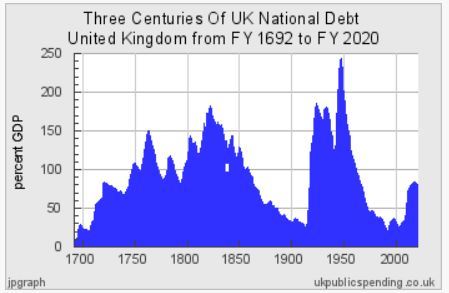
The government was left to pick up the tab. But this meant that ultimately it was the British public who came off the worst when draconian austerity measures were introduced and VAT was raised to 20% - both of which made the average worker worse off.