I think it’s safe to say that all of our grandchildren will have (or may still be going through) a naughty stage. It’s easy to dismiss their behaviour and take it out on age, but when does the naughtiness stop being a phase and start becoming a concern? There are a lot of different reasons why our grandchildren may be acting out.
Maybe they’re spoilt. But who isn’t?
Maybe they’re eating too much sugar. But they’re children.
Maybe they are suffering from a mental illness… Now that has got your attention.
So many of us are too dismissive of the behaviour of our grandchildren, so I’m here to shed a little bit of light on the signs of mental illness. I think this fits in really well with mental health awareness week as well, so it’s good to keep a dialogue going.
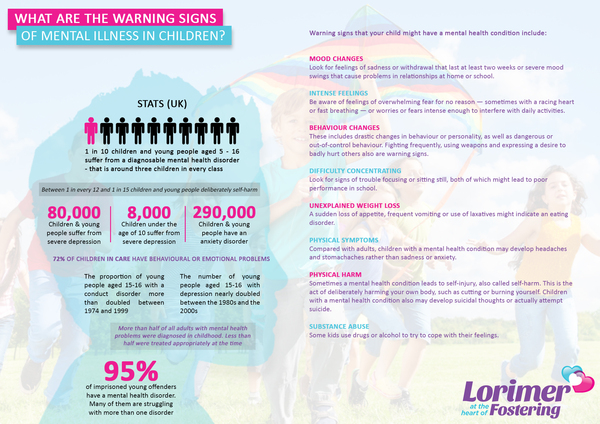
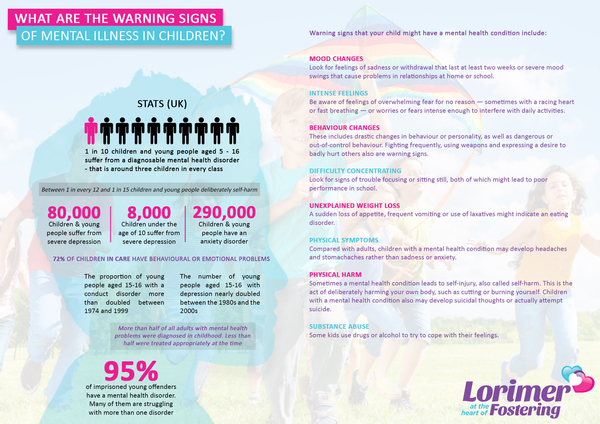
Did you know that 1 in 5 children suffer from a mental illness? If we think about that, that means that in a class of 30, 6 children will suffer from some sort of mental illness. Most of these children are dismissed and left undiagnosed because their parents and grandparents believe that they are “just going through a phase”.
We need to stop thinking that our grandchildren are just being naughty, if they change their attitude completely, or they are naughty for a long time, or they seem depressed or unhappy, then we should not be ignoring these signs. I’m guilty of being dismissive of my grandchildren in the past, making excuses for their behaviour “they’re tired”, “they’re hungry”, and yes in most cases this is true, but what if your grandchild is suffering with a mental health condition and nobody is doing anything about it?
Remember, if you think that your grandchild is behaving in a strange way, then it’s important to see a specialist, as this can rule out or highlight any ongoing issues that may be happening. I’ve found this poster by the Fostering Manchester organisation, and I have printed it out and stuck it on my fridge to remind me of the signs of mental illness in children. It’s our duty to look after our grandchildren to the best of our abilities.