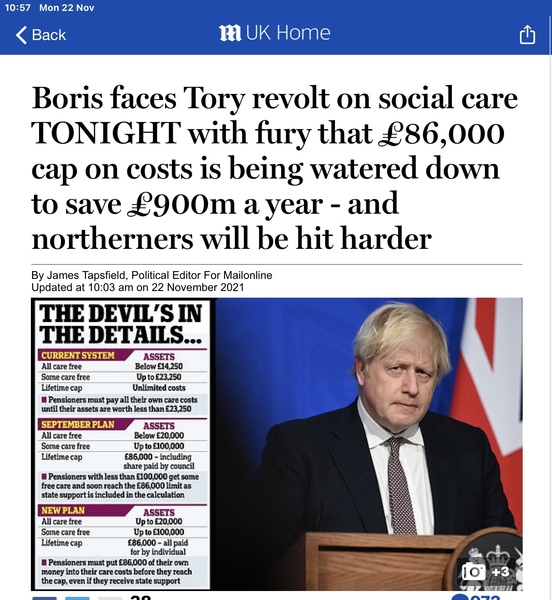
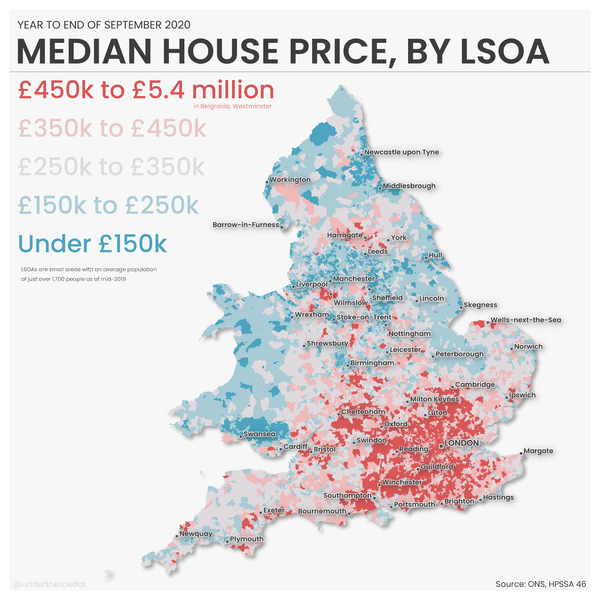
I think the headline that Northerners will be most affected is slightly misleading. It’s true that houses are lower value in parts of the country so people might end up using all the money from a house sale to fund their care before the cap is reached. But lower priced housing is not exclusively in the North, I think I’m correct in thinking there are some very low prices in other parts of the country.
Also if someone does not own a house and has say £30,000 in savings, they will receive state aid at the same time wherever they live - although care home fees do vary across the country.
As someone directly affected, my mum lives in a care home and has already paid over £88,000 for her care fees, I am very interested in this. The main question I have is how the personal care and the board element are going to be calculated. I suspect that as only personal care part is going to be counted towards the cap, that portion will be as low as they can make it.
For people with dementia who are often in care because they no longer have the capacity to make the right decisions to keep themselves safe, there might be no significant health needs so they will continue to pay the majority of their care home fees and never reach the cap. Hence it is likely that my mum, with dementia but not on any medication and with no nursing needs, will still use all her savings and have to sell her house.
As soon as I read the proposals, I realised that it does not change things for many care home residents and this latest watering down makes no difference. It boils down to the continuing decision to deem dementia as a social illness rather than a medical one.