I don't think these are misconceptions Glorianny, unless you were there of course which seems very unlikely.
I think it is, to some extent a case of "chose your historian".
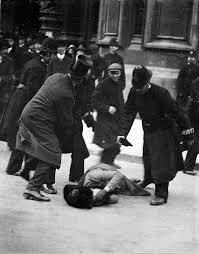
But the evidence is clear. Between 1912 and 1915, hundreds of bombs were left on trains, in theatres, post offices, churches, even outside the Bank of England; while arson attacks on timber yards, railway stations and private houses inflicted an untold amount of damage. Yet the lives of the women who did this have been largely forgotten and erased from history, as a long-standing desire to sanitise the actions of suffragettes and portray them as perfect activists, or perfect martyrs, has altered our perception of even those whose names we know. While some historians have begun to acknowledge the violence and extremism of the WSPU, there remains a dominant belief that its violence amounted to little more than firecrackers in tins, or a few well aimed stones. This long-running historical myth has its roots among the suffragettes themselves.
People support extremism not always knowing what they are doing. At least you could be open-minded enough to admit that yours is one version of history and, as is always the case, we will never know the whole truth. What we do know is the leadership of this group wanted action.
Source: Fern Riddell, Published in History Today Volume 68 Issue 2 February 2018


 .
.